
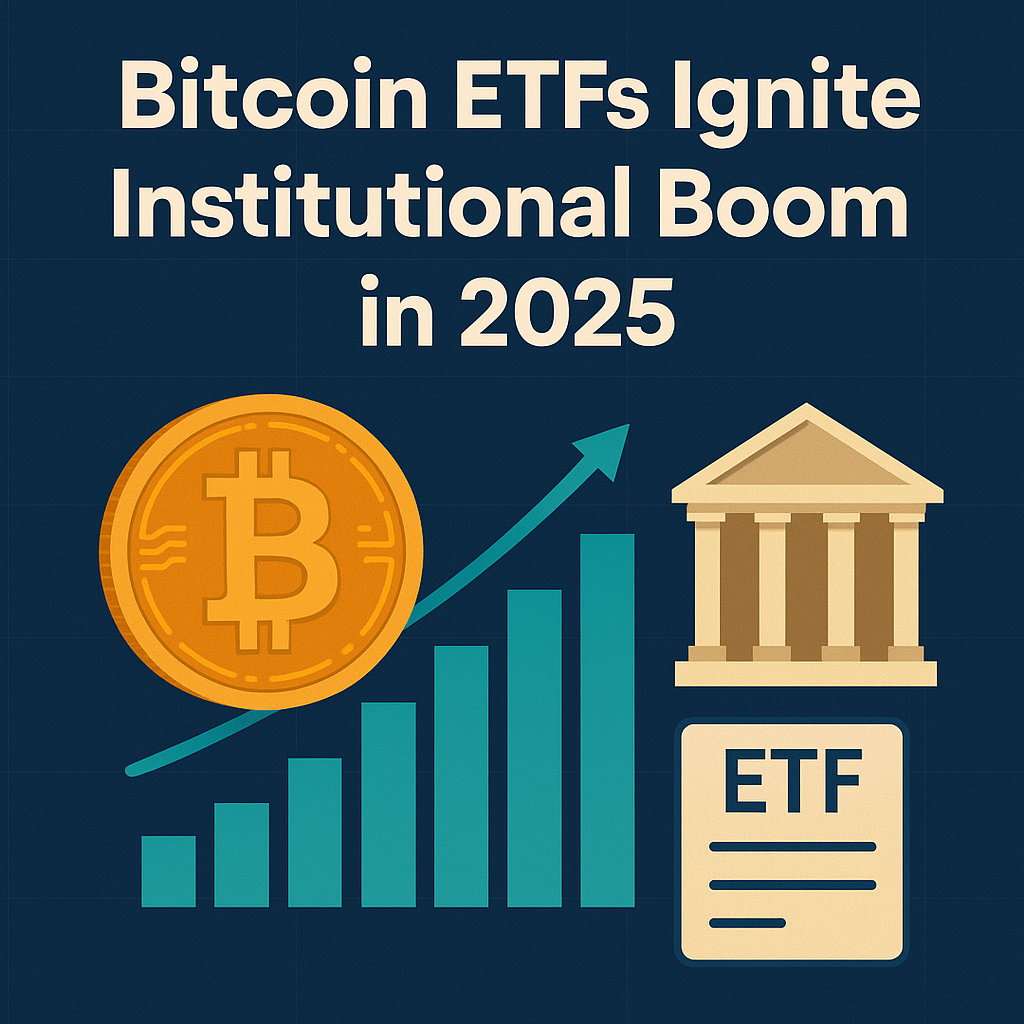
After years of anticipation and debate, 2025 marks a turning point for Bitcoin. The approval of multiple Bitcoin Exchange-Traded Funds (ETFs) across major global markets has propelled the cryptocurrency into mainstream finance. What was once a volatile digital experiment has now evolved into an asset class embraced by institutional investors, pension funds, and governments alike.
The Global ETF Wave
The U.S. Securities and Exchange Commission (SEC) finally approved a wave of spot Bitcoin ETFs earlier this year, followed by similar actions from regulators in Japan, Hong Kong, and the European Union. This regulatory green light opened the floodgates for institutional capital.
Industry giants such as BlackRock, Fidelity, and ARK Invest launched their own Bitcoin ETF products, making it easier for traditional investors to gain exposure without the technical barriers of wallets and private keys. The result? Billions of dollars in inflows within weeks of launch and a historic surge in Bitcoin’s price and liquidity.
Bitcoin’s Institutional Transformation
With ETFs in play, Bitcoin has achieved unprecedented legitimacy. The market’s volatility has begun to stabilize, driven by the professional risk management practices of institutional players. Market makers and custodians now handle large-scale Bitcoin transactions with the same sophistication as traditional equities and bonds.
In this new environment:
-
Bitcoin’s market capitalization has exceeded $2.1 trillion.
-
Major financial institutions now allocate a portion of their portfolios to Bitcoin.
-
Treasury departments of multinational companies are adopting Bitcoin ETFs for diversification.
This institutional adoption marks a maturity phase for Bitcoin—transforming it from a speculative asset into a mainstream financial instrument.
Impact on Traditional Finance (TradFi)
The arrival of Bitcoin ETFs has blurred the lines between traditional finance (TradFi) and decentralized finance (DeFi). ETF-backed liquidity is being integrated into blockchain-based lending and derivatives platforms. The fusion has led to the emergence of hybrid financial instruments, such as:
-
Tokenized Treasury Bills
-
Crypto-Backed Bonds
-
On-Chain Money Market Funds
These innovations bring transparency, programmability, and global access to traditional investment products—signaling a future where finance operates on both blockchain rails and regulated frameworks.
Market Stability and Investor Confidence
One of the most profound effects of Bitcoin ETFs is the stabilization of the crypto market. Large institutional inflows have reduced sharp price swings. Bitcoin’s realized volatility is now comparable to that of gold and emerging market equities.
The newfound stability has made Bitcoin an attractive hedge against inflation and geopolitical risk. Institutional research desks now issue weekly crypto reports alongside their equity and bond analyses. Bitcoin is no longer the “wild west”—it’s a strategic allocation tool in diversified portfolios.
What Lies Ahead
As we move deeper into 2025, several trends are emerging:
-
ETF-based staking products may soon combine yield generation with regulated custody.
-
The integration of AI trading systems in crypto ETFs is improving efficiency and predictive analytics.
-
Cross-border ETF frameworks are being discussed among Asian and European regulators to harmonize crypto product listings.
Bitcoin’s ETF era represents more than financial innovation—it symbolizes a shift in global trust. Blockchain technology has bridged the gap between retail enthusiasm and institutional discipline, laying the groundwork for a fully tokenized financial ecosystem.
Conclusion
The approval and success of Bitcoin ETFs in 2025 have redefined the crypto landscape. Institutional participation has legitimized Bitcoin, introduced massive liquidity, and paved the way for hybrid financial innovation. What began as a digital alternative to cash is now a cornerstone of modern portfolio strategy.
The age of speculative crypto is fading. The era of institutional blockchain finance has arrived.