
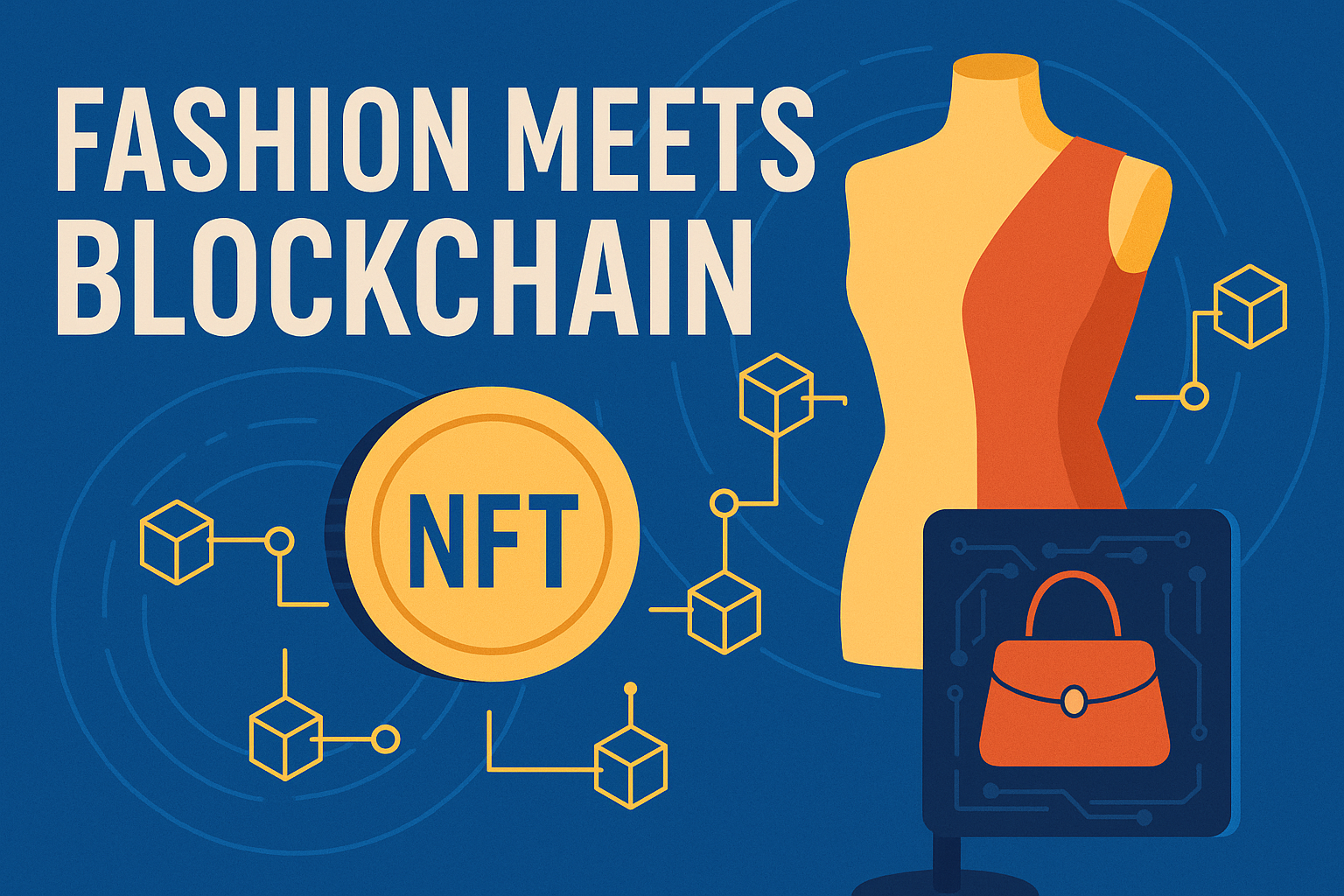
In 2025, fashion and blockchain have officially merged. What started as experimental NFT drops from luxury brands has evolved into a powerful fusion of style, technology, and authenticity.
From digital twins of designer apparel to tokenized accessories and virtual fashion shows, NFTs are reshaping how luxury is designed, owned, and experienced. The result is a more transparent, connected, and sustainable industry one that blurs the line between the physical and digital world.
The Birth of Digital Fashion Ownership
NFTs now act as digital certificates of authenticity, attached to physical luxury items like handbags, sneakers, and jewelry.
Brands such as Gucci, Louis Vuitton, and Prada have pioneered blockchain-based authentication to combat counterfeiting and improve resale transparency. Every purchase generates an NFT “twin” stored on-chain, verifying origin, material sourcing, and ownership history.
This not only protects consumers but also gives brands powerful data insights into product lifecycles and customer engagement.
Virtual Couture and the Metaverse
Fashion has expanded beyond the runway into the metaverse, where digital garments are becoming a new form of self-expression. Platforms like Decentraland, Roblox, and Zepeto host virtual fashion events where users can showcase NFT outfits from their favorite brands.
Major designers now release digital-only collections, with pieces tailored for avatars or augmented reality experiences. Virtual couture allows limitless creativity — no waste, no inventory, just pure innovation.
In this new reality, wearing a digital Balenciaga jacket online is as meaningful as wearing one in Paris Fashion Week.
Sustainability and Transparency
NFT integration is driving a sustainability revolution in luxury. Blockchain tracks every stage of production from raw materials to delivery ensuring ethical sourcing and reducing environmental impact.
Consumers can scan a product’s NFT tag to view verified information like carbon footprint and origin data. Brands are also using NFT-based resale programs, where pre-owned items are authenticated and resold securely, promoting circular fashion.
This transparency builds trust and aligns with the growing demand for eco-conscious luxury.
Empowering Designers and Collectors
Independent designers are thriving in this new digital ecosystem. NFTs let creators tokenize limited-edition designs, retaining royalties from every secondary sale through smart contracts.
Collectors, meanwhile, enjoy exclusive digital experiences such as private show invites, early drops, or metaverse showcases tied directly to their NFT ownership.
These phygital (physical + digital) experiences strengthen brand loyalty while giving consumers deeper connections with the creators behind their garments.
The Future of Luxury Commerce
By 2025, NFT commerce is transforming luxury retail into an immersive, data-driven experience:
-
Smart mirrors in boutiques display NFT ownership history.
-
Augmented reality try-ons let users preview NFT-linked apparel.
-
Token-gated stores offer members-only access to exclusive drops.
Luxury houses are also collaborating with blockchain startups to create cross-brand NFT ecosystems, allowing seamless integration of collections and benefits across multiple fashion houses.
Conclusion
Fashion’s integration with blockchain is not just a trend — it’s a reinvention. NFTs empower brands with transparency, consumers with trust, and designers with creative freedom.
In this new era, luxury is no longer defined by possession alone but by proof, purpose, and digital identity. The runway of the future isn’t a place it’s a blockchain.