



Why Are Gulf Currencies So Strong?
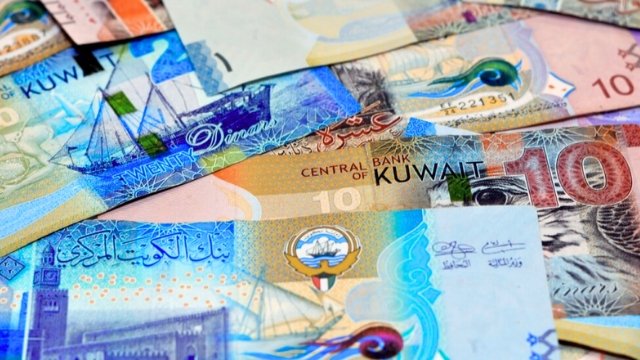
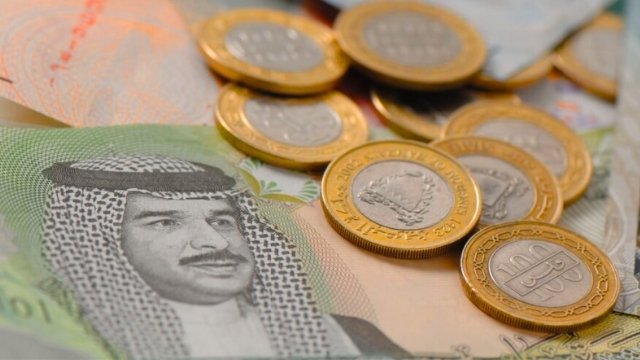
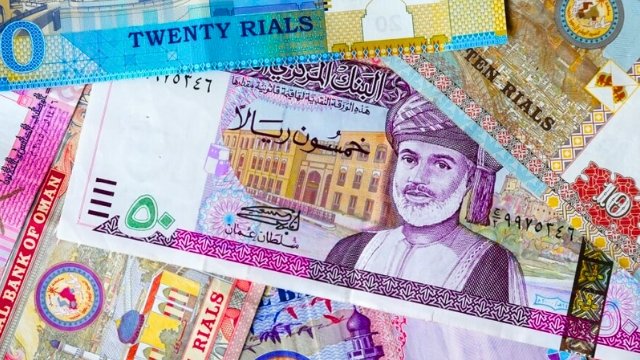
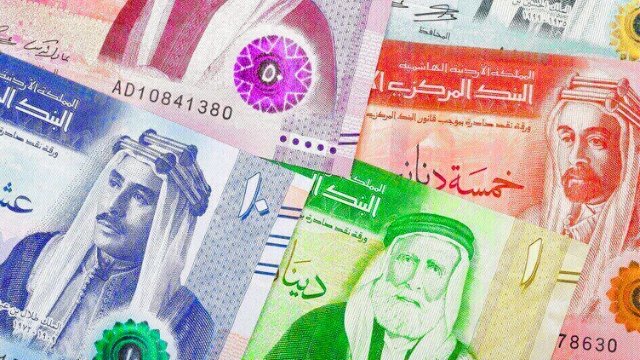
Gulf currencies like the Kuwaiti Dinar, Bahraini Dinar, and Omani Rial stay at the top because their strength is built on stable oil income, government control, and disciplined financial systems. These nations export large amounts of oil and receive payments mostly in U.S. Dollars, creating a steady inflow of foreign currency. This connection to oil is often called the petrodollar linkage, and it gives these countries constant access to dollars, which they use to back their own currencies.
Most Gulf nations also use pegged exchange systems, meaning their currencies are fixed to the U.S. Dollar at a set rate. This helps prevent wild fluctuations and gives investors confidence. Since oil prices are mostly traded in dollars, this system keeps the value stable.
Strong government reserves further protect these currencies. Central banks in the Gulf hold huge dollar and gold reserves, which act as a safety net. Combined with low inflation and political stability, these factors make Gulf currencies the most consistent and valuable in the world.
Other Strong Regional Currencies (Worth Watching)
Some currencies may not be stronger than the U.S. Dollar in direct exchange value, but they remain among the most stable and trusted globally. These include the Singapore Dollar, Brunei Dollar, Australian Dollar, and Canadian Dollar. Each plays a key role in its region and holds long-term investor confidence.
1. Singapore Dollar (SGD):
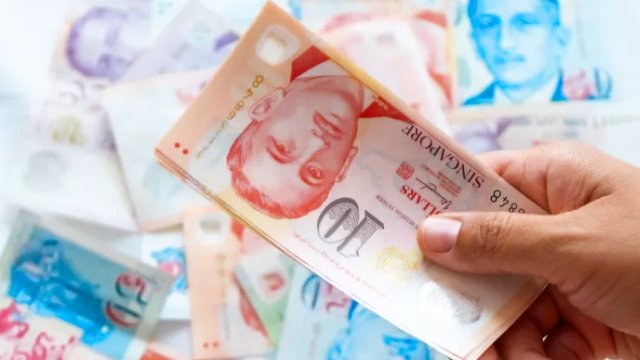
The Singapore Dollar is known for its stability and careful management by the Monetary Authority of Singapore. The country has low inflation, a strong economy, and a balanced trade system. It is widely used in Asia as a safe and efficient currency for international business.
2. Brunei Dollar (BND):
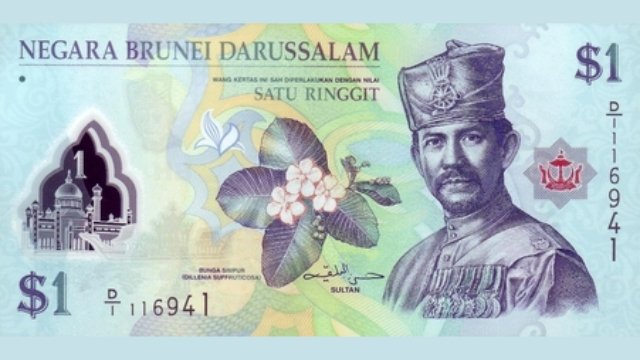
The Brunei Dollar is pegged to the Singapore Dollar at a one-to-one rate. This means both currencies move together. Brunei’s wealth from oil and gas exports and the close financial relationship with Singapore keep the BND steady and reliable.
3. Australian Dollar (AUD):
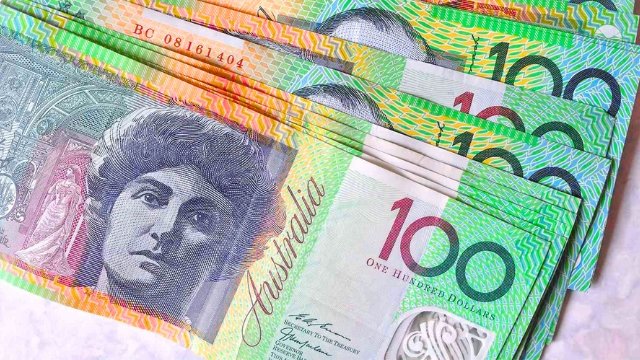
The Australian Dollar is one of the most traded currencies worldwide. Its strength comes from a resource-rich economy, stable government, and high interest rates compared to many Western countries. The AUD often rises when global demand for commodities such as iron ore and coal increases.
4. Canadian Dollar (CAD):

The Canadian Dollar, also called the “Loonie,” benefits from a large and diverse economy. Canada exports energy, minerals, and technology, giving it a strong trade position. Its close ties to the U.S. economy and sound banking system keep the CAD one of the most dependable currencies in North America.
These regional currencies show that even without surpassing the U.S. Dollar in face value, stability, strong exports, and responsible fiscal policy can make a currency powerful and trusted worldwide.
Honourable Mentions: Other Strong Currencies (Rank 11–25)
Some currencies didn’t make the top 10 but are still considered strong and stable. These are widely traded, well-managed, and hold solid value against the U.S. Dollar.
| Currency | Country | Code |
|---|---|---|
| Canadian Dollar | Canada | CAD |
| Brunei Dollar | Brunei | BND |
| Singapore Dollar | Singapore | SGD |
| Australian Dollar | Australia | AUD |
| New Zealand Dollar | New Zealand | NZD |
| Hong Kong Dollar | Hong Kong | HKD |
| Libyan Dinar | Libya | LYD |
| Falkland Islands Pound | Falkland Islands | FKP |
| Bermudian Dollar | Bermuda | BMD |
| Aruban Florin | Aruba | AWG |
| Bahamian Dollar | Bahamas | BSD |
| Qatari Riyal | Qatar | QAR |
| Saudi Riyal | Saudi Arabia | SAR |
| Chinese Yuan Renminbi | China | CNY |
| UAE Dirham | United Arab Emirates | AED |
These currencies often appear in trade and travel because of their steady exchange systems and reliable financial management.
Myths About Currency Strength
Headline picture for 2025: the top-valued Gulf currencies (KWD, BHD, OMR, JOD) are still holding firm against the U.S. Dollar, helped by long-standing pegs and steady reserves. Over the last six months, 1 KWD traded around $3.26–$3.28, 1 BHD around $2.65–$2.66, 1 OMR around $2.59–$2.60, and 1 JOD near $1.41. These tight bands show how pegs and reserve policy keep day-to-day moves small.
Oil link: Brent has slid into the mid-$60s by early November 2025, easing import bills for many countries while trimming export windfalls for oil producers. Spot data shows Brent near $64–$65 this week. Major forecasters expect $60–$62 averages into late-2025 as inventories rebuild and OPEC+ adds supply. Lower oil usually softens support for some petrocurrencies, but pegs in Kuwait, Bahrain, and Oman blunt that impact.
Inflation and rates: Global headline inflation is easing toward ~4.4% in 2025, according to the IMF, which helps stabilize FX by reducing surprise price shocks. In the U.S., policy rates and bill yields have drifted down, with the effective fed funds rate near ~4.1% in recent days. Softer U.S. rates have trimmed some Dollar strength that built up during 2022–2024.
G-10 and Europe snapshot: Research desks see the EUR and GBP holding a mild edge as U.S. rates cool. One major bank’s November outlook has EUR 1.15–1.20 and GBP ~1.31–1.36 into late-2025/early-2026, pointing to a gentle Dollar drift rather than a sharp break. Recent market notes also flag a small Dollar bounce after the Fed’s autumn moves, but the wider trend depends on growth and rate paths.
Gulf pegs still steady: The latest six-month histories underline how stable the Gulf pegs are:
- KWD: high for the period near $3.28; narrow range overall.
- BHD: near $2.65 with tiny variation.
- OMR: average close to $2.60 in 2025.
- JOD: near $1.41; the peg has held for years.
Digital money and fintech effects: 2025 brought real progress in digital finance that can shape FX over time by cutting cross-border costs and speeding settlement. The BIS reports that over 90% of central banks studied continue CBDC work, and projects like mBridge aim to settle FX and payments across borders on shared ledgers. India’s e-rupee pilot grew quickly this year, and the RBI just opened a retail sandbox to test more use cases. Lower friction in payments can narrow spreads and improve liquidity, though it won’t replace macro drivers like inflation, rates, and trade balance.
Bottom line for 2025: oil’s pullback, easing global inflation, and gentler U.S. rates point to calmer FX conditions. The Gulf four remain the clearest examples of high face-value currencies, while EUR/GBP/CHF trade on growth and rate differentials rather than pegs. Digital rails are improving how money moves, but the classic drivers, prices, policy, reserves, and stability, still set the pecking order.