
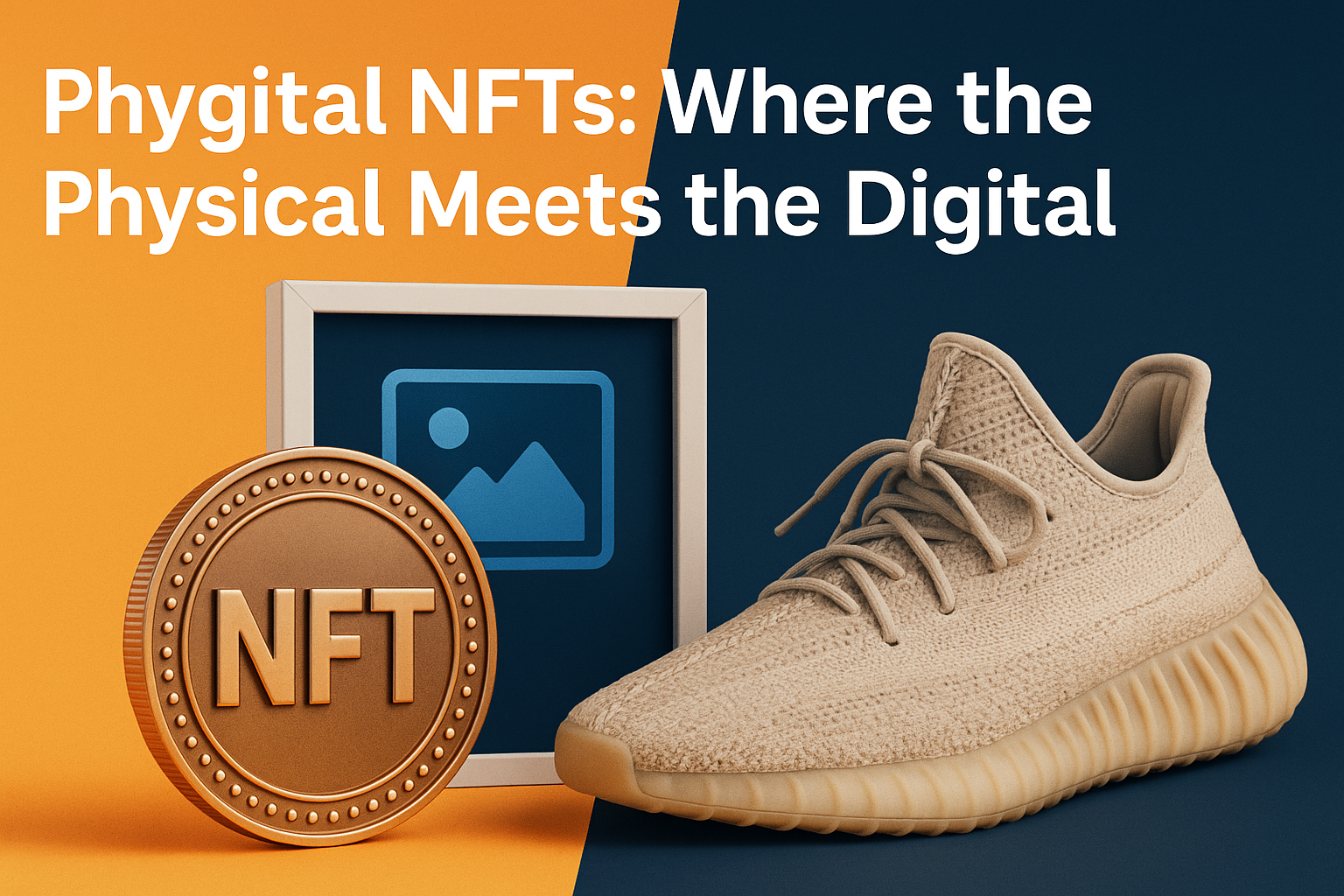
The term phygital NFT has become a defining concept of 2025, describing a new hybrid model that connects tangible assets with blockchain-based digital tokens. By combining the physical and digital realms, phygital NFTs create a seamless bridge between real-world ownership and on-chain verification.
This innovation is reshaping industries from fashion and art to logistics and real estate, offering consumers a new level of authenticity and transparency.
What Are Phygital NFTs?
Phygital NFTs represent physical objects that have a digital twin on the blockchain. When a person buys the physical item such as a collectible sneaker, artwork, or watch they also receive an NFT linked to it.
This NFT acts as an immutable certificate of authenticity, recording every ownership transfer and detail about the item’s origin. The combination ensures verifiable proof of ownership, solving long-standing issues with counterfeit goods and fraudulent transactions.
The Role of Blockchain in Authenticity
Luxury and fashion brands have been early adopters of phygital NFTs. Companies like Gucci, Nike, and Tiffany & Co. are issuing blockchain certificates tied to their physical products. These digital twins allow buyers to confirm authenticity, track supply chains, and even resell items securely in the secondary market.
For example, Nike’s “CryptoKicks” lets sneaker owners customize and trade NFT-linked shoes, while each physical pair remains traceable on the blockchain. This system transforms consumer goods into traceable, tradeable digital assets.
Benefits for Businesses and Consumers
Phygital NFTs offer immense advantages across the ecosystem:
-
Authenticity Verification: Blockchain records ensure that every product is genuine.
-
Enhanced Customer Engagement: Owners can unlock digital experiences such as AR try-ons or exclusive event invitations.
-
Efficient Resale Markets: NFTs simplify ownership transfers and resale verification.
-
Sustainability Tracking: Brands can record product lifecycles and environmental data transparently.
For consumers, owning a phygital NFT isn’t just about possession — it’s about participating in an ongoing relationship with the brand and community.
Beyond Fashion: Broader Applications
While luxury retail leads adoption, other sectors are quickly following.
-
Art: Galleries issue NFTs tied to physical artwork for provenance tracking.
-
Real Estate: Property deeds are tokenized as phygital NFTs for faster, fraud-free transactions.
-
Automotive: Car manufacturers use NFTs to log vehicle history and maintenance records.
This evolution points to a future where every valuable asset has a digital identity, accessible through secure blockchain networks.
Challenges and Adoption Barriers
Despite its promise, the phygital NFT ecosystem faces several challenges.
-
Standardization: Different blockchains use incompatible formats.
-
Integration Costs: Small businesses struggle to implement digital twin infrastructure.
-
Consumer Education: Many users are unfamiliar with NFT wallets and blockchain verification.
However, with major platforms developing user-friendly NFT interfaces, these barriers are steadily lowering. In the coming years, phygital ownership is expected to become as commonplace as e-commerce itself.
Conclusion
Phygital NFTs mark a milestone in the evolution of ownership. They combine the security of blockchain with the tangibility of real-world products, creating a trusted, transparent, and interactive economy.
As brands and consumers continue to embrace this hybrid model, the future of commerce will be defined not by the divide between physical and digital but by the harmony between them.