
Top 10 Strongest Currencies in the World (2025)
Fintech & Economic Trends

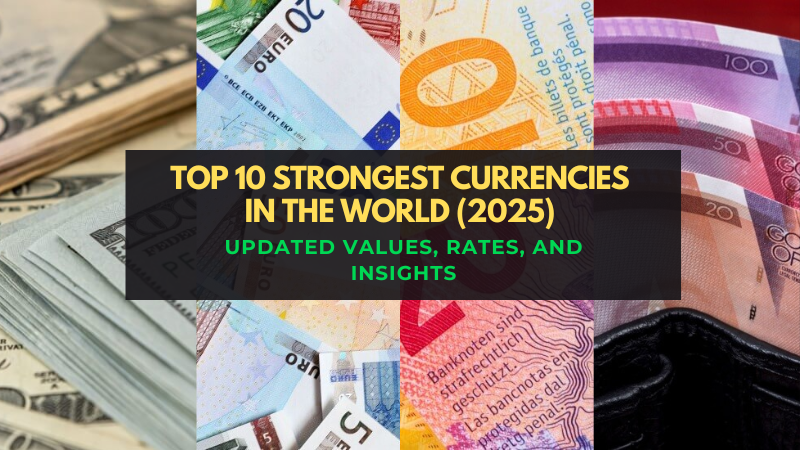
Top 10 Strongest Currencies in the World (2025): Updated Values, Rates, and Insights

The U.S. Dollar may be the most traded currency, but it isn’t the strongest in value. In 2025, several smaller yet stable nations will have currencies worth far more than one U.S. Dollar. Countries like Kuwait, Bahrain, and Oman lead this list, backed by strong oil reserves, low inflation, and tight monetary control.

A “strong” currency doesn’t always mean a large economy; it reflects stability, demand, and trust. Exchange rates depend on how a country manages inflation, reserves, and exports. While the U.S. Dollar rules global trade, the strongest currencies in the world (2025) show that value often lies in economic discipline, not just size.

This guide explains which currencies top the list, why they hold such high value, and how they compare against the Dollar and the Indian Rupee.

What Is Currency Strength?

A strong currency means it has more value when compared with other currencies. In simple terms, if one unit of your currency can buy more of another, your currency is stronger. For example, 1 Kuwaiti Dinar equals more than 3 U.S. Dollars, so the Dinar is stronger. Currency strength depends on factors like a country’s economic stability, inflation rate, interest rates, and how much demand there is for that currency in global trade. When inflation is low, exports are steady, and the central bank manages reserves wisely, a currency tends to stay strong.

What Makes a Currency Strong?

A strong currency holds high value when exchanged for other currencies. The exchange rate shows how much one unit of a country’s currency is worth in another country’s currency. When a currency has more purchasing power abroad, it is considered stronger. For example, if one Kuwaiti Dinar buys more goods than one U.S. Dollar, the Dinar is stronger in real terms.

Central banks play a major role in maintaining currency stability. They manage interest rates, control money supply, and build reserves in gold and foreign currencies. Countries that export oil or other valuable goods often have steady foreign income, which helps their currencies stay firm.

Kuwait is the best example. Even though its economy is small compared to the U.S., its Dinar remains the world’s highest-valued currency. This is because Kuwait exports large amounts of oil, keeps inflation low, and maintains strong financial reserves, giving investors complete confidence in its money.

Top 10 Currencies Stronger Than the U.S. Dollar (2025 Updated List)

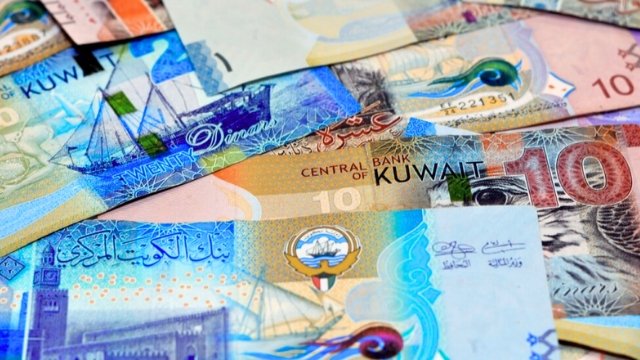
1. Kuwaiti Dinar (KWD)

Kuwaiti dinar

Value vs USD: 1 KWD ≈ $3.26 USD
Value vs INR: ≈ ₹270 – ₹275
Kuwait has the highest-valued currency in the world. Its economy depends heavily on oil exports, and the central bank keeps the Dinar stable through a carefully managed exchange policy. Despite Kuwait’s small population, its massive oil income, low inflation, and strong reserves make the Dinar stronger than any other currency globally.

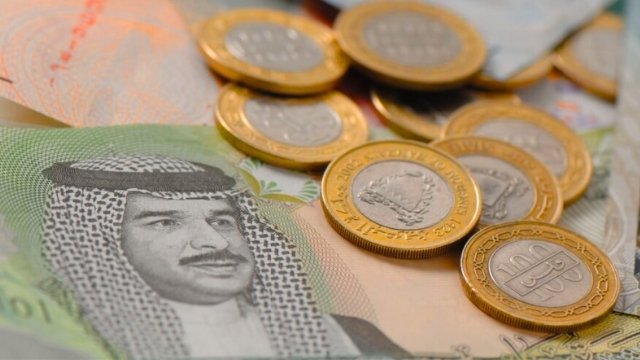
2. Bahraini Dinar (BHD)

Bahraini Dinar

Value vs USD: 1 BHD ≈ $2.65 USD
Value vs INR: ≈ ₹220 – ₹225
The Bahraini Dinar is firmly pegged to the U.S. Dollar. Bahrain’s small but wealthy economy relies on oil, finance, and services. The government maintains strict control over inflation and spending, keeping the Dinar’s value stable for decades. Its close link to the U.S. Dollar ensures investor confidence and a predictable exchange rate.

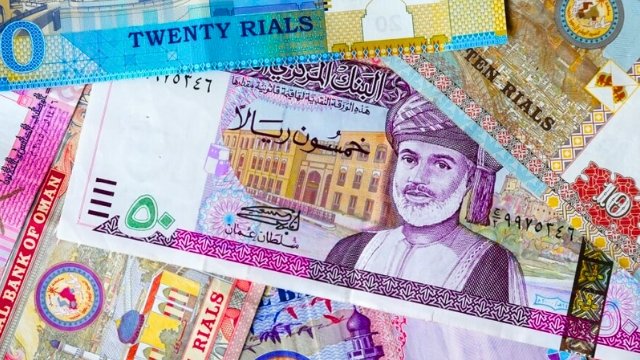
3. Omani Rial (OMR)

Omani Rial

Value vs USD: 1 OMR ≈ $2.60 USD
Value vs INR: ≈ ₹215 – ₹220
The Omani Rial ranks among the top three globally. Like Kuwait and Bahrain, Oman earns strong oil revenue, which supports its currency. The Rial is pegged to the U.S. Dollar at a high rate and backed by large reserves. Stable governance, low inflation, and disciplined financial policies keep its value consistent year after year.

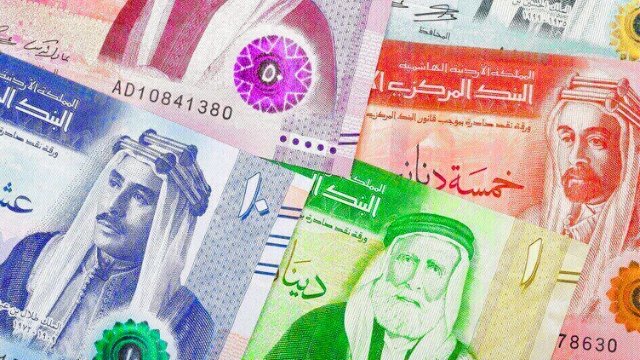
4. Jordanian Dinar (JOD)

Jordanian Dinar

Value vs USD: 1 JOD ≈ $1.41 USD
Value vs INR: ≈ ₹117 – ₹120
Jordan’s Dinar stays strong even without major oil exports. The country maintains a fixed exchange rate with the U.S. Dollar, and its central bank ensures stability through tight monetary policy. Foreign aid and remittances help sustain reserves, while economic reforms over the years have strengthened investor trust in the Jordanian Dinar.

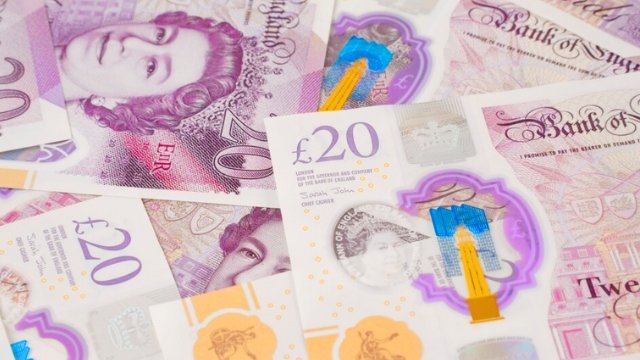
5. British Pound Sterling (GBP)

British Pound Sterling

Value vs USD: 1 GBP ≈ $1.32 USD
Value vs INR: ≈ ₹109 – ₹111
The British Pound remains one of the most traded and trusted currencies. It represents a large and diverse economy, supported by strong financial services in London. Even after Brexit, the Pound has stayed resilient thanks to consistent demand and the United Kingdom’s reputation for economic stability and global influence.

6. Gibraltar Pound (GIP)

Gibraltar Pound

Value vs USD: 1 GIP ≈ $1.32 USD
Value vs INR: ≈ ₹109 – ₹111
The Gibraltar Pound is directly pegged to the British Pound at a 1:1 ratio. This makes it equal in value and movement to the GBP. Though Gibraltar is a small territory, the peg ensures its currency remains strong and stable, mirroring the performance of the United Kingdom’s monetary system.

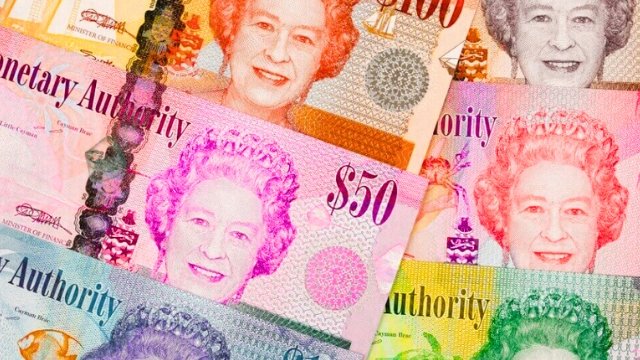
7. Cayman Islands Dollar (KYD)

Cayman Islands Dollar

Value vs USD: 1 KYD ≈ $1.22 USD
Value vs INR: ≈ ₹100 – ₹102
The Cayman Islands Dollar is the main currency of one of the world’s leading offshore financial centres. It is pegged to the U.S. Dollar at a fixed rate, which keeps it strong and predictable. The Cayman economy relies on tourism, banking, and investments, all of which support a high exchange value.

8. Swiss Franc (CHF)

Swiss Franc

Value vs USD: 1 CHF ≈ $1.20 USD
Value vs INR: ≈ ₹99 – ₹100
The Swiss Franc is known as a “safe-haven” currency. Switzerland’s stable government, strong banking sector, and low inflation attract global investors. During uncertain times, people shift their assets into Francs, which keeps its value high. Its consistent performance makes it one of the most reliable currencies in the world.

9. Euro (EUR)

Euro (EUR)

Value vs USD: 1 EUR ≈ $1.12 USD
Value vs INR: ≈ ₹93 – ₹94
The Euro is the second-most traded currency after the U.S. Dollar. It represents a large group of European economies under one central bank. Although its unit value is lower than some others, the Euro’s wide global use and economic backing give it strong purchasing power and long-term credibility.

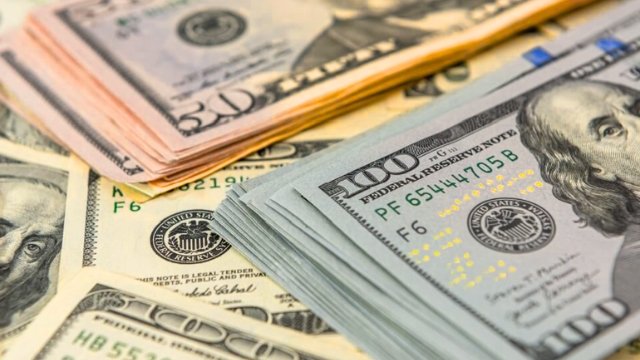
10. United States Dollar (USD)

United States Dollar (USD)

Value vs USD: 1 USD = $1.00
Value vs INR: ≈ ₹83 – ₹84
The U.S. Dollar remains the world’s main reserve currency. Nearly all international trade, commodities, and global banking systems rely on it. While other currencies may have higher face value, none match the Dollar’s influence or global reach. It stays the benchmark against which all others are measured.

Comparison Table: Currency Value vs. USD (2025)

Rank Currency Code 1 Unit = USD 1 Unit = INR (approx.) Key Driver of Strength
1 Kuwaiti Dinar KWD $3.26 ₹270–₹275 Oil exports, large reserves, and low inflation
2 Bahraini Dinar BHD $2.65 ₹220–₹225 Oil-based economy, USD peg, fiscal control
3 Omani Rial OMR $2.60 ₹215–₹220 Pegged to USD, strong reserves, stable governance
4 Jordanian Dinar JOD $1.41 ₹117–₹120 Pegged exchange rate, tight monetary policy
5 British Pound Sterling GBP $1.32 ₹109–₹111 Global financial hub, diversified economy
6 Gibraltar Pound GIP $1.32 ₹109–₹111 Pegged to GBP, backed by the UK economy
7 Cayman Islands Dollar KYD $1.22 ₹100–₹102 Pegged to USD, strong finance sector
8 Swiss Franc CHF $1.20 ₹99–₹100 Safe-haven currency, low inflation
9 Euro EUR $1.12 ₹93–₹94 Eurozone unity, global reserve role
10 U.S. Dollar USD $1.00 ₹83–₹84 World reserve currency, trade dominance

Why Are Gulf Currencies So Strong?

Gulf currencies like the Kuwaiti Dinar, Bahraini Dinar, and Omani Rial stay at the top because their strength is built on stable oil income, government control, and disciplined financial systems. These nations export large amounts of oil and receive payments mostly in U.S. Dollars, creating a steady inflow of foreign currency. This connection to oil is often called the petrodollar linkage, and it gives these countries constant access to dollars, which they use to back their own currencies.

Most Gulf nations also use pegged exchange systems, meaning their currencies are fixed to the U.S. Dollar at a set rate. This helps prevent wild fluctuations and gives investors confidence. Since oil prices are mostly traded in dollars, this system keeps the value stable.

Strong government reserves further protect these currencies. Central banks in the Gulf hold huge dollar and gold reserves, which act as a safety net. Combined with low inflation and political stability, these factors make Gulf currencies the most consistent and valuable in the world.

Other Strong Regional Currencies (Worth Watching)

Some currencies may not be stronger than the U.S. Dollar in direct exchange value, but they remain among the most stable and trusted globally. These include the Singapore Dollar, Brunei Dollar, Australian Dollar, and Canadian Dollar. Each plays a key role in its region and holds long-term investor confidence.

1. Singapore Dollar (SGD):
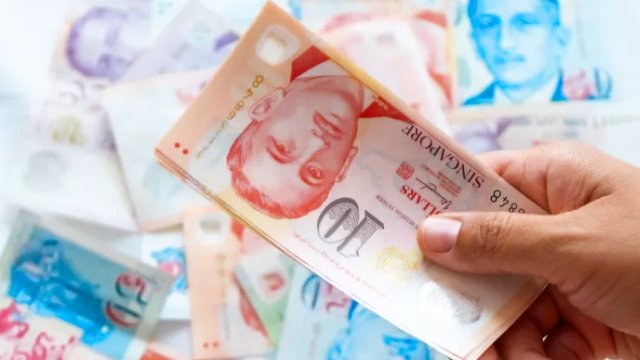
Singapore Dollar (SGD)

The Singapore Dollar is known for its stability and careful management by the Monetary Authority of Singapore. The country has low inflation, a strong economy, and a balanced trade system. It is widely used in Asia as a safe and efficient currency for international business.

2. Brunei Dollar (BND):
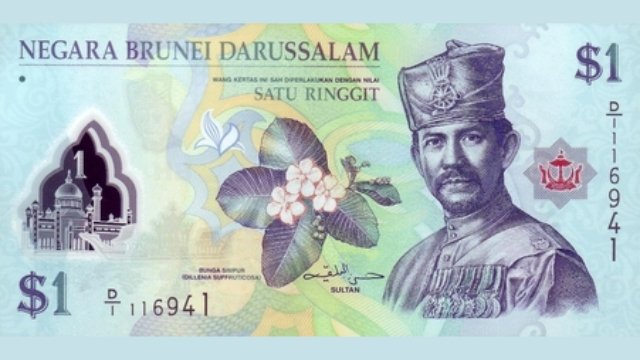
Brunei Dollar (BND)

The Brunei Dollar is pegged to the Singapore Dollar at a one-to-one rate. This means both currencies move together. Brunei’s wealth from oil and gas exports and the close financial relationship with Singapore keep the BND steady and reliable.

3. Australian Dollar (AUD):
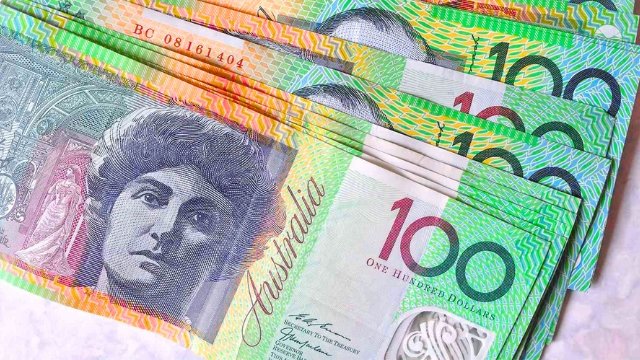
Australian Dollar (AUD)

The Australian Dollar is one of the most traded currencies worldwide. Its strength comes from a resource-rich economy, stable government, and high interest rates compared to many Western countries. The AUD often rises when global demand for commodities such as iron ore and coal increases.

4. Canadian Dollar (CAD):

Canadian Dollar (CAD)

The Canadian Dollar, also called the “Loonie,” benefits from a large and diverse economy. Canada exports energy, minerals, and technology, giving it a strong trade position. Its close ties to the U.S. economy and sound banking system keep the CAD one of the most dependable currencies in North America.

These regional currencies show that even without surpassing the U.S. Dollar in face value, stability, strong exports, and responsible fiscal policy can make a currency powerful and trusted worldwide.

Honourable Mentions: Other Strong Currencies (Rank 11–25)

Some currencies didn’t make the top 10 but are still considered strong and stable. These are widely traded, well-managed, and hold solid value against the U.S. Dollar.

Currency Country Code
Canadian Dollar Canada CAD
Brunei Dollar Brunei BND
Singapore Dollar Singapore SGD
Australian Dollar Australia AUD
New Zealand Dollar New Zealand NZD
Hong Kong Dollar Hong Kong HKD
Libyan Dinar Libya LYD
Falkland Islands Pound Falkland Islands FKP
Bermudian Dollar Bermuda BMD
Aruban Florin Aruba AWG
Bahamian Dollar Bahamas BSD
Qatari Riyal Qatar QAR
Saudi Riyal Saudi Arabia SAR
Chinese Yuan Renminbi China CNY
UAE Dirham United Arab Emirates AED

These currencies often appear in trade and travel because of their steady exchange systems and reliable financial management.

Myths About Currency Strength

Many people believe that the country with the strongest currency is also the richest, but that’s not true. A high exchange rate doesn’t always mean a strong economy. Some nations intentionally keep their currencies expensive through limited money supply, while others focus on making their exports cheaper by keeping their currencies lower.

For example, Kuwait and Oman have high currency values, yet their economies are much smaller than those of the United States or China. Their strength lies in oil exports and stable monetary policies, not in overall economic size or production.

This is where the idea of Purchasing Power Parity (PPP) helps. PPP compares how much a set amount of money can buy in different countries. A dollar may buy less in Switzerland than in India because goods and services cost more there. So, while the Swiss Franc has high value, it doesn’t mean everything in Switzerland is cheaper. In short, exchange value shows currency strength, but PPP reveals real buying power.

Historical Overview: The Rise and Fall of Currency Values (2000–2025)

From 2000 to 2025, the global currency landscape has changed many times due to oil price swings, political shifts, inflation waves, and new financial trends. The U.S. Dollar has remained the most used and trusted currency, but its dominance has been tested several times.

In the early 2000s, the Dollar was strong because of its central role in global trade and the growing U.S. economy. Around 2008, the global financial crisis pushed investors toward safe assets like the U.S. Dollar and the Swiss Franc. The Euro, which started strong in the early 2000s, weakened after the European debt crisis between 2010 and 2013, when countries like Greece and Spain faced major financial trouble.

Oil-rich Gulf nations continued to gain ground during this period. Their currencies, the Kuwaiti Dinar, Omani Rial, and Bahraini Dinar, held firm even when oil prices dropped, thanks to government reserves and controlled exchange systems.

After 2020, the world faced pandemic-driven inflation, record stimulus spending, and rising interest rates. These factors caused many currencies to lose value temporarily, while the U.S. Dollar strengthened as investors sought stability. However, by 2023–2025, inflation pressure and global debt concerns made countries diversify their reserves into gold, yuan, and digital currencies, slowly challenging the Dollar’s long-term dominance.

Looking ahead, the Dollar is expected to stay the main reserve currency for years, but its share in global reserves is slowly declining. Growing trade in local currencies among countries such as China, India, and members of the Gulf region shows a gradual move toward a multi-currency world. The change will be slow, but it marks a new phase where financial power is more spread out than before.

Latest Exchange-Rate Trends (2025 Updates)

Headline picture for 2025: the top-valued Gulf currencies (KWD, BHD, OMR, JOD) are still holding firm against the U.S. Dollar, helped by long-standing pegs and steady reserves. Over the last six months, 1 KWD traded around $3.26–$3.28, 1 BHD around $2.65–$2.66, 1 OMR around $2.59–$2.60, and 1 JOD near $1.41. These tight bands show how pegs and reserve policy keep day-to-day moves small.

Oil link: Brent has slid into the mid-$60s by early November 2025, easing import bills for many countries while trimming export windfalls for oil producers. Spot data shows Brent near $64–$65 this week. Major forecasters expect $60–$62 averages into late-2025 as inventories rebuild and OPEC+ adds supply. Lower oil usually softens support for some petrocurrencies, but pegs in Kuwait, Bahrain, and Oman blunt that impact.

Inflation and rates: Global headline inflation is easing toward ~4.4% in 2025, according to the IMF, which helps stabilize FX by reducing surprise price shocks. In the U.S., policy rates and bill yields have drifted down, with the effective fed funds rate near ~4.1% in recent days. Softer U.S. rates have trimmed some Dollar strength that built up during 2022–2024.

G-10 and Europe snapshot: Research desks see the EUR and GBP holding a mild edge as U.S. rates cool. One major bank’s November outlook has EUR 1.15–1.20 and GBP ~1.31–1.36 into late-2025/early-2026, pointing to a gentle Dollar drift rather than a sharp break. Recent market notes also flag a small Dollar bounce after the Fed’s autumn moves, but the wider trend depends on growth and rate paths.

Gulf pegs still steady: The latest six-month histories underline how stable the Gulf pegs are:

  • KWD: high for the period near $3.28; narrow range overall.
  • BHD: near $2.65 with tiny variation.
  • OMR: average close to $2.60 in 2025.
  • JOD: near $1.41; the peg has held for years.

Digital money and fintech effects: 2025 brought real progress in digital finance that can shape FX over time by cutting cross-border costs and speeding settlement. The BIS reports that over 90% of central banks studied continue CBDC work, and projects like mBridge aim to settle FX and payments across borders on shared ledgers. India’s e-rupee pilot grew quickly this year, and the RBI just opened a retail sandbox to test more use cases. Lower friction in payments can narrow spreads and improve liquidity, though it won’t replace macro drivers like inflation, rates, and trade balance.

Bottom line for 2025: oil’s pullback, easing global inflation, and gentler U.S. rates point to calmer FX conditions. The Gulf four remain the clearest examples of high face-value currencies, while EUR/GBP/CHF trade on growth and rate differentials rather than pegs. Digital rails are improving how money moves, but the classic drivers, prices, policy, reserves, and stability, still set the pecking order.

Practical Takeaways for Readers (2025)

Understanding currency strength is not only interesting, it can also be useful for travelers, investors, and professionals managing international trade. Here’s how you can apply this knowledge safely and smartly in 2025.

1. Investing or Trading in Foreign Currencies

Foreign exchange (forex) trading offers opportunities but comes with high risk. If you’re new, start with small amounts and use a regulated trading platform that provides real-time data and protective features such as stop-loss orders. Always trade through authorized brokers, and avoid “get rich quick” schemes or unlicensed apps. Diversify holdings rather than putting all funds into one foreign currency. Following central-bank announcements and global oil trends helps you understand what might move exchange rates.

2. Best Currencies to Hold for Travelers in 2025

For travel or short-term holdings, stability matters more than face value. The U.S. Dollar, Euro, Swiss Franc, and Singapore Dollar remain the most widely accepted and easiest to exchange globally. If you are visiting the Middle East, the Kuwaiti Dinar, Bahraini Dinar, and Omani Rial offer high value, but you’ll only use them locally, convert leftover currency back before leaving to avoid losses.

3. Useful Tools to Track Exchange Rates

Keeping up with rate changes is easier than ever. Use trusted converters such as Google Finance, XE Currency Converter, and OANDA for accurate real-time data. For mobile tracking, Wise (TransferWise) and Revolut apps provide alerts when your target currency hits a certain value. These tools help you plan conversions, check historical trends, and find the best time to exchange or invest.

Quick Tip: Always compare exchange rates from at least two sources and avoid airport kiosks, which often charge high markups.

In short, safe investing, smart travel planning, and the right digital tools can turn currency awareness into real financial advantage.

Price Table (2025 Exchange Rate Snapshot)

Below is a simple summary of current currency values as of late 2025. The exchange rates are approximate averages from Google Finance and XE Currency, and the year-on-year change (YoY %) shows how much the value has moved compared to 2024.

Currency Exchange Rate (vs INR) Exchange Rate (vs USD) Change (YoY %)
Kuwaiti Dinar (KWD) ₹270 – ₹275 $3.26 USD ▲ +0.3 %
Bahraini Dinar (BHD) ₹220 – ₹225 $2.65 USD ▲ +0.2 %
Omani Rial (OMR) ₹215 – ₹220 $2.60 USD ≈ 0 %
Jordanian Dinar (JOD) ₹117 – ₹120 $1.41 USD ≈ 0 %
British Pound (GBP) ₹109 – ₹111 $1.32 USD ▲ +1.8 %
Gibraltar Pound (GIP) ₹109 – ₹111 $1.32 USD ▲ +1.7 %
Cayman Islands Dollar (KYD) ₹100 – ₹102 $1.22 USD ≈ 0 %
Swiss Franc (CHF) ₹99 – ₹100 $1.20 USD ▲ +1.2 %
Euro (EUR) ₹93 – ₹94 $1.12 USD ▲ +1.0 %
United States Dollar (USD) ₹83 – ₹84 $1.00 USD ▼ –0.8 %

The 2025 rankings again prove that the strongest currencies in the world don’t always come from the biggest economies. The Kuwaiti Dinar, Bahraini Dinar, and Omani Rial continue to lead the chart, each worth several times more than one U.S. Dollar. Their high value comes from strong fiscal discipline, large oil reserves, and steady government management, not from population size or export volume alone.

The key takeaway is simple: economic policy matters more than economic size. Countries that control inflation, manage reserves carefully, and maintain political stability protect their currency value over the long term. That’s why even small nations in the Gulf outperform global giants in face-value strength.

Looking ahead to the next three to five years, the overall pattern is expected to hold. The U.S. Dollar will stay the world’s main reserve currency, while Gulf and European currencies will remain strong and steady. The rise of digital currencies, faster cross-border payment systems, and growing trade in regional currencies may reshape how money moves globally, but the fundamentals of stability, trust, and sound policy will continue to decide which currencies truly stay strong.

Frequently Asked Questions About Strongest Currencies in the World (2025)

Q1. What is the weakest currency in the world right now?

Answer: As of 2025, the Iranian Rial (IRR) remains the weakest currency, due to long-term inflation and political restrictions on trade.

Q2. What is the most traded currency in the world?

Answer: The U.S. Dollar (USD) continues to dominate global trade and remains the most traded currency in daily forex markets.

Q3. How are foreign currencies priced?

Answer: Most are priced using two systems: a floating rate, which moves with supply and demand, and a fixed (pegged) rate, controlled by a central bank, like the Bahraini Dinar, pegged to the USD.

Q4. What is the most stable currency?

Answer: The Swiss Franc (CHF) is widely seen as the most stable because of Switzerland’s low inflation and strong banking system.

Q5. What is the strongest currency pair?

Answer: The Euro (EUR) and U.S. Dollar (USD) form the most traded and balanced pair in global forex markets.

Q6. Which countries use the Kuwaiti Dinar?

Answer: It’s used only in Kuwait but remains the world’s highest-valued currency.

Q7. Does a strong currency mean a rich country?

Answer: Not always. Some smaller economies, like Kuwait or Bahrain, maintain high-value currencies through oil exports and strict fiscal control, even though their GDP is smaller than that of the U.S. or China.

Q8. How can I check live exchange rates?

Answer: Use trusted tools like Google Finance, XE Currency, or Wise to compare rates and track changes in real time.

Disclaimer:
This article is for informational and educational purposes only. It should not be taken as financial, investment, trading, or business advice. All currency values, exchange rates, and examples mentioned are based on publicly available data from sources such as Google Finance, IMF, and Bloomberg as of November 2025, and may change over time. We are not registered with SEBI, RBI, or any other financial authority as investment or forex advisors. Readers are advised to verify all information independently and consult a qualified financial expert before making any currency exchange, investment, or trading decisions.